قصص أمهات10 أكتوبر
هذه هي الأمور التي ساعدتني خلال أصعب فترة في حياة ابنتي

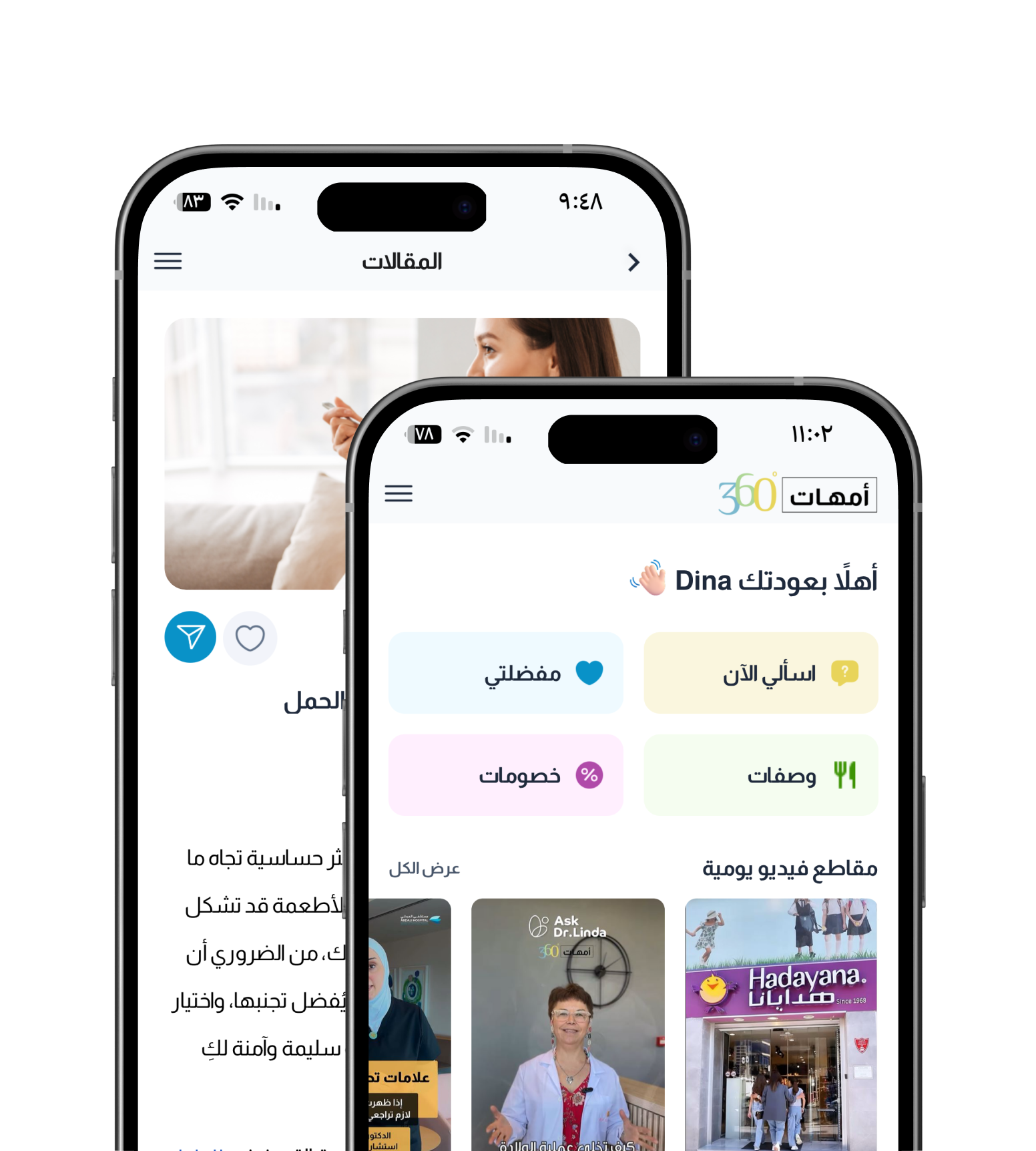
حمّلوا تطبيق 360Moms وانضموا إلى مجتمع يضم أكثر من 100,000 عائلة، لدعمكم في رحلة الأبوة والأمومة.
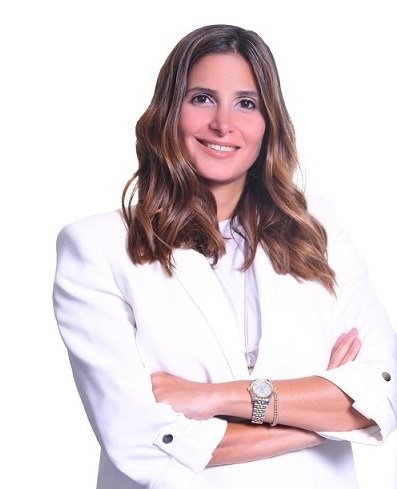 بقلم رشا صليب
 نُشر في Invalid Date
 7 دقائق للقراءة
How to Choose the Right Daycare for You and Baby It is a heartbreaking moment when the time comes for a working parent to leave their child to another. To assign their beloved baby to another caregiver on the account of returning to work is painful. The loaded feelings of guilt, sadness, anger, anxiety and some relief plays so much on how much you want to do right by your baby. This article does not pretend to cure the tears you may shed. Instead, it attempts to list chief considerations on how to choose the best daycare for your baby. The best way I know to deal with this undesired change in our relationship is to take practical steps to address each of the feelings I have associated with this upcoming stage. Understanding why I feel guilty, sad or anxious will dictate my avowed promise (to myself and my son) to find him a comfortable and safe environment to spend his days in the care of others.
This article does not pretend to cure the tears you may shed. Instead, it attempts to list chief considerations on how to choose the best daycare for your baby.
Letting go of futile negative feelings and resistance to an event I am unable to bypass, I decided to focus on what I am capable of doing. I needed to shift my energy from being helplessly consumed by the big panic-inducing event into an empowered individual with some semblance of control. Beginning with a general to-do list, I created a series of smaller tasks in terms of research, preparing questions, writing down notes to self on what I should notice about the ideal daycare environment and discussing with my partner what is important to us regarding certain parenting policies and educational styles for our baby. These are essentially the deal-makers and deal-breakers, if you will.
Beginning with a general to-do list, I created a series of smaller tasks in terms of research, preparing questions, writing down notes to self on what I should notice about the ideal daycare environment.
Visiting the daycares, I made a point to meet with the caregivers themselves, interact with administrative staff, attend a few activities, see signs of happily engaged children with their teachers (preferably with the teacher/caregiver on the floor interacting with them), interview parents at parking lots of these daycares, ask their children if they like their daycare, what they liked most and disliked most.
How often are the baby’s diaper changed? Do the caregivers changing diapers use disposal gloves? Do the caregivers seem responsive to babies? Do they ask them questions, answer children patiently, talk to them, read books out loud, sing to them? Do caregivers write in a daily journal about what your child did today, how they reacted, what they liked, feared, discovered, learnt? Are the classrooms spacious, well-lit and have acceptable noise levels?
Of course, there will be other considerations that maybe important for you, such as: proximity to your home or work, personal budget, if your baby has a sibling you want them to join, etc. I have listed the main points that helped my husband and I narrow down a safe place for our 10-month old son. Being invested and taking time to ask these questions sends an important message to the daycare staff and caregivers that you are involved in your child’s learning and well-being.
حصلت رشا على درجة البكالوريوس من جامعة تورنتو في كندا، حيث تخصصت في علم النفس. ثم أكملت دراستها في جامعة بيبردين في الولايات المتحدة الأمريكية وحصلت على شهادة الماجستير في فنون علم النفس السريري وعلاج الأسرة والزواج.
عملت رشا في الولايات المتحدة وكندا مع الأشخاص البالغين، الأطفال، المراهقين، العائلات والأزواج الباحثين عن العلاج في أمور العلاقات، الإدمان، اضطرابات الأكل، الخيانة، الاكتئاب، القلق والصدمة. في الأردن، عملت أيضاً كمستشارة تربوية في المدرسة الأهلية للبنات، حيث قدمت الدعم والإرشاد للمراهقات اللاتي يعانين من صعوبات عاطفية وأكاديمية. عملت أيضًا لمدة ثماني سنوات في عيادات خاصة في الأردن (ماريا دين برافن، مستشفى الأردن وعيادة الدكتور نصري جاسر). حاليا، رشا هي رئيسة قسم علم النفس في مستشفى العبدلي في عمان. مجالات تخصصها هي: العلاج الزوجي والعائلي، استشارات ما قبل الزواج، مشاكل العلاقات، الخيانة الزوجية، الأمور المتعلقة بالأبوة والأمومة، اضطرابات الشخصية، علاج الإدمان، اضطرابات المزاج، اضطرابات القلق والوسواس القهري، الصدمات، الإساءة، الاعتداء الجنسي، خدمات استشارية لأفراد L.G.B.T.Q.I.A.+، الحداد والفقدان، صدمة الطفولة، اضطرابات الأكل، الأفكار الانتحارية وسلوكيات إيذاء الذات، التمكين الذاتي، والشفاء التحويلي.
تقدم رشا أفضل العلاجات الفعالة المستندة على الأدلة العلمية، التي ترتكز على البحوث والنتائج الإيجابية المصمّمة خصيصاً لتلبية الاحتياجات الفردية لكل عميل. تتّبع رشا نهجاً علاجياً متكاملا، تعمل من خلاله على إشراك العملاء بعملية تعاونية ومتبصرة، لتوفير الرعاية والدعم في رحلة التغيّر نحو الصحة والشفاء والرفاه. تتميز طريقة رشا للصحة العقلية السريرية والعافية بتوجه إيجابي للغاية قائم على الأدلة يؤمن أنّ الأفراد يتمتعون بالكفاءة والقدرات اللازمة لمساعدة أنفسهم على التغيّر والشفاء. يكمن التركيز في توفير الرعاية النفسية عالية الجودة من خلال دمج استراتيجيات التغيير والتقبل، واستكشاف كيف يرغب العملاء معرفة ما الذي يطمحون لتغييره، كيفية الوصول إلى هذا التغيير، وكيفية فهم المؤشرات التي تدل على نجاح العملية. يسترشد عملها برؤية ثابتة للمجتمعات النابضة بالحياة حيث يزدهر الأفراد وينجحون ويدركون إمكاناتهم الفريدة للعقل والجسد والروح. هدف رشا هو تمكين الناس من التواصل مع ذاتهم الحقيقية واستيعاب حياتهم ومعرفة أهميتها وشفاء أنفسهم نفسيا وجسديا وعاطفيا.